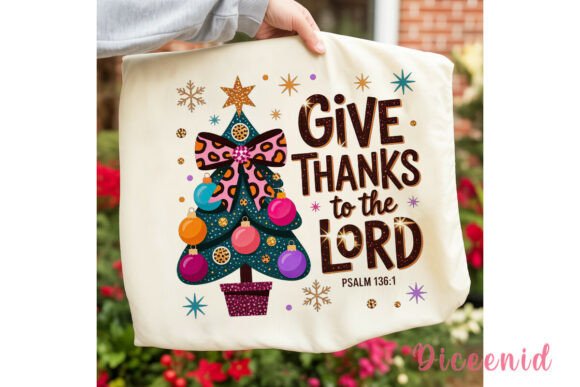
Review: Leopard Print Christmas Tree PNG Clipart
As a designer who has spent countless hours digitizing and stitching out holiday motifs, I have developed a keen eye for what translates well from screen to fabric. When I first encountered Leopard Print Christmas Tree PNG Clipart, my initial reaction was one of cautious curiosity. The juxtaposition of a traditional holiday symbol with a bold, modern animal print is a trend that has been gaining traction in boutique fashion and home decor. However, seeing a digital illustration is vastly different from executing it as a machine embroidery design. This review breaks down how this specific asset performs in real-world applications, focusing on practicality for Etsy sellers, craft business owners, and hobbyists looking to elevate their handmade product offerings.
First Impressions and Visual Personality
The immediate mood created by this clipart is playful yet sophisticated. It moves away from the rustic, farmhouse aesthetic that has dominated the market for years and steps into a chic, contemporary space. The shape is recognizable—a classic triangular tree silhouette—but the internal detailing is where the challenge lies. For an embroidery project, the "leopard" aspect implies high contrast and irregular shapes. In a digital file, these spots look crisp. In stitching, they require careful management of stitch density and color separation to avoid becoming a muddy mess.
I appreciate that the design does not rely on excessive shading. Instead, it uses distinct shapes to define the pattern. This is crucial for embroidery because complex gradients do not translate well to thread. The visual personality suggests this is best suited for customers who want something unique for their custom apparel or modern home accents. It feels less like a traditional family heirloom piece and more like a trendy statement item for a young professional’s apartment or a fashion-forward teen’s wardrobe.
Real-World Application: The Tote Bag Test
To truly evaluate Leopard Print Christmas Tree PNG Clipart, I imagined applying it to a canvas tote bag, a staple item for many small shop products. Canvas provides a stable base, which is essential for designs with multiple color changes and potential fill areas. If you were to stitch this onto a tote, the boldness of the leopard spots would stand out beautifully against the neutral fabric texture.
However, the scale matters immensely. On a large tote, the tree can be sized up to showcase the detail of the spots. But if you shrink it down for a embroidered patch or a pocket detail on a shirt, those individual spots risk merging together. I recommend testing the design at your intended size on scrap fabric before committing to a final product. This is especially true if you are using this as a tote bag design for commercial sales. Customers expect clarity; if the spots blur into a brown blob from three feet away, the perceived value of the finished product drops significantly.
Fabric and Hoop Considerations
One of the most critical aspects of using any digital illustration for embroidery is understanding how it interacts with different materials. This design likely relies on a combination of satin stitch for outlines and fill stitch for the colored spots. On stretchy fabrics like jersey knits used for t-shirts or baby clothes, high-density fills can cause puckering. Therefore, using the correct stabilizer is non-negotiable. A cut-away stabilizer would be my choice for garments that need to withstand frequent washing.
For baby embroidery projects, such as onesies or burp cloths, I would advise caution. The intricate nature of the leopard print might feel too busy for the soft, simple aesthetic usually preferred for infants. Furthermore, tiny details can become scratchy if not properly backed. If you do use it for baby items, ensure the stitch count is optimized for comfort and that the thread colors are soft and appealing.
When working with dark fabrics, the contrast becomes your best friend or your worst enemy. If the leopard spots are light tan on a dark green tree, you must ensure your thread colors have enough brightness to pop. Testing on black or navy fabric is essential to confirm visibility. Conversely, on light fabrics, you may need to add an underlay or use a darker thread for outlines to define the shape clearly.
Commercial Viability and Brand Consistency
For Etsy sellers and creative entrepreneurs, this design offers a niche appeal. It fits perfectly into a brand identity that is bold, modern, and slightly edgy. It is not a generic snowflake; it is a conversation starter. This can increase buyer engagement and help your listings stand out in a saturated market. However, consistency is key. If your shop usually sells vintage-inspired, muted-tone items, this bright, patterned tree might clash with your overall brand aesthetic.
Using this clipart for holiday embroidery collections can refresh your inventory. It works well for sweatshirt embroidery, where larger hoop sizes allow for detailed rendering. It also translates nicely to pillow covers or kitchen towels, provided the fabric weave is tight enough to support the stitches without distortion. Always check the licensing terms of the original Illustrations source. While many PNGs are sold for commercial use, converting them into embroidery files for sale requires careful attention to intellectual property rights. Ensure you are creating a transformative work or have the right to use the base image for physical goods.
Practical Designer Notes
- Test on Scrap Fabric: Never stitch directly on your final garment. Use similar weight and type fabric to check for puckering or thread breaks.
- Check Thread Contrast: Ensure the colors chosen for the leopard spots contrast sufficiently with the tree outline and the background fabric.
- Review Stitch Density: If you are digitizing this yourself from the PNG, keep fill densities moderate to prevent stiffness, especially on wearable items.
- Confirm Hoop Size: Make sure the design fits comfortably within your machine’s hoop, leaving room for stabilization and framing.
- Inspect Small Details: Zoom in on the digital file. Are the spots too small to stitch? Simplify them if necessary to maintain clarity.
- Use Proper Stabilizer: Match the stabilizer to the fabric. Tear-away for stable wovens, cut-away for knits.
- Verify Licensing: Before selling commercial embroidery items, confirm that the original clipart license allows for physical product creation.
In conclusion, Leopard Print Christmas Tree PNG Clipart is a versatile and trendy asset when handled with technical precision. It offers a fresh take on holiday decor that appeals to modern consumers. By paying attention to fabric choice, stabilizer selection, and stitch optimization, you can transform this digital illustration into a high-quality personalized gift or a best-selling small shop product. Remember, the difference between a good design and a great embroidered piece lies in the execution. Take the time to test, adjust, and refine, and this design can become a standout element in your creative portfolio.