Reviewing Pink and Blue Christmas Digital Prints for Embroidery
As a designer who has spent countless hours staring at digitizing software and testing stitch-outs on scrap fabric, I approach every new machine embroidery design with a mix of curiosity and skepticism. We have all been there: you find a graphic that looks stunning on screen, only to realize it turns into a tangled mess of thread once the needle hits the fabric. That is why I took a close look at Pink and Blue Christmas Digital Prints. This isn’t just about whether the image is cute; it is about whether it translates into a viable, high-quality embroidery project for real-world applications.
First Impressions and Visual Mood
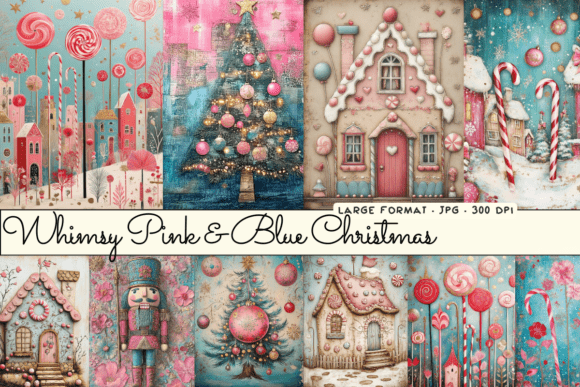
The immediate appeal of Pink and Blue Christmas Digital Prints lies in its departure from traditional holiday palettes. We are so accustomed to red, green, and gold that this softer, pastel-infused aesthetic feels fresh and modern. From a design perspective, the illustration style suggests a gentle, whimsical mood. It feels less like a loud holiday declaration and more like a cozy, intimate celebration. For those of us creating handmade products, this distinction matters. It opens up a market segment that might feel alienated by aggressive traditional branding—think modern nurseries, minimalist home decor, or boutique apparel brands targeting a younger demographic.
However, as an experienced reviewer, I look past the colors to the structure. The lines appear clean, which is a good sign for stitching clarity. But the devil is always in the details. When evaluating these Illustrations for conversion into an embroidery file, I ask myself: will those subtle gradients hold up? Will the fine lines disappear under satin stitch coverage? The visual personality here is delicate, which means it requires careful handling during the digitizing and stitching process.
Real-World Application: The Custom Tote Bag Test
To truly understand the potential of this design, I imagined a specific scenario: creating a custom tote bag design for a local craft fair. Canvas tote bags are a staple for Etsy sellers and small shop owners because they are practical and offer a large, flat surface for embroidery. Using Pink and Blue Christmas Digital Prints on a natural cotton canvas creates a beautiful contrast. The soft pink and blue tones pop against the beige background without looking jarring.
In this context, the design works exceptionally well as a central focal point. If I were producing this for a client, I would likely pair it with a simple running stitch border to frame the image, ensuring the edges remain crisp. The result is a personalized gift that feels thoughtful and curated. Customers are increasingly drawn to items that tell a story, and the unique color scheme of this design helps the finished product stand out in a sea of generic holiday merchandise. It signals that the maker has an eye for contemporary trends, boosting brand consistency for modern creative entrepreneurs.
Navigating Fabric and Stitch Challenges
While the design shines on sturdy fabrics like canvas or denim, we must discuss where it requires caution. Embroidery is a tactile medium, and thread colors interact differently depending on the fabric texture. On thin or stretchy fabrics, such as a lightweight t-shirt or a baby onesie, the density of the stitches becomes critical. If the original digital print has dense areas, converting it directly to a fill stitch pattern could cause puckering or distortion.
For baby embroidery projects, comfort is paramount. A heavy buildup of thread on a soft knit can be irritating to sensitive skin. Therefore, if you are using Pink and Blue Christmas Digital Prints for infant wear, I recommend checking the stitch density carefully. You might need to adjust the digitizing to use lighter fills or incorporate applique design techniques to reduce bulk. Similarly, on curved surfaces like caps, the layout needs to be adjusted to prevent warping. The horizontal spread of the design might need to be compressed slightly to fit the natural curve of a baseball cap without distorting the characters or shapes within the illustration.
Another consideration is dark fabric. Pastel threads often lack the opacity to cover dark backgrounds effectively. If you plan to stitch this on a navy or black sweatshirt, you will need to use an underlay stitch strategy that ensures the base fabric does not show through the pink and blue threads. Testing on scrap fabric is non-negotiable here. Do not skip this step, especially if you are selling these as commercial embroidery items where quality control defines your reputation.
Enhancing Product Value and Buyer Engagement
From a business standpoint, the uniqueness of Pink and Blue Christmas Digital Prints can significantly enhance product value. In a saturated market, differentiation is key. By offering holiday items that break the mold, you attract buyers looking for something specific and stylish. This design lends itself well to holiday embroidery collections that include aprons, pillow covers, and tea towels. These items are often purchased as gifts, and the aesthetic appeal of the design contributes to the perceived giftability of the item.
Moreover, the versatility of this design allows for cross-promotion. You can use the same digital embroidery file to create a range of products, from a sweatshirt embroidery piece to a decorative embroidered patch. This efficiency is crucial for craft business owners who need to maximize their design assets. When customers see a cohesive look across different products, it builds trust and professionalism. It shows that you are not just throwing random designs on items, but curating a collection with a distinct visual identity.
Practical Notes for Designers and Makers
Before you load this design into your machine, take a moment to review the technical specifics. Since exact stitch counts and file formats are not provided here, you must verify these details with the source. Ensure the hoop size matches your intended project. A design that is too large for a 4x4 hoop will require re-digitizing or scaling, which can affect detail resolution.
- Test on Scrap Fabric: Always run a test stitch-out on the same type of fabric you intend to use for the final product. This reveals issues with tension, density, and color blending.
- Check Thread Contrast: Ensure your pink and blue threads have enough contrast against each other and the background fabric. Sometimes, similar shades merge visually when stitched.
- Use Proper Stabilizer: Choose a stabilizer that complements your fabric weight. Cut-away stabilizers are often better for stretchy fabrics, while tear-away works well for stable woven materials.
- Verify Licensing: If you plan to sell items made with this design, confirm the license terms. Some design assets allow for commercial use, while others are for personal use only. Protect your business by knowing the rules.
- Mockup in Black and White: Convert the design to grayscale on your screen to check for value contrast. This helps identify areas that might lose definition when stitched.
In conclusion, Pink and Blue Christmas Digital Prints offers a refreshing alternative for holiday crafting. It requires a thoughtful approach to digitizing and material selection, but the payoff is a sophisticated, modern product that resonates with today’s buyers. For the small shop product lineup, it is a worthy addition that balances charm with contemporary style.